

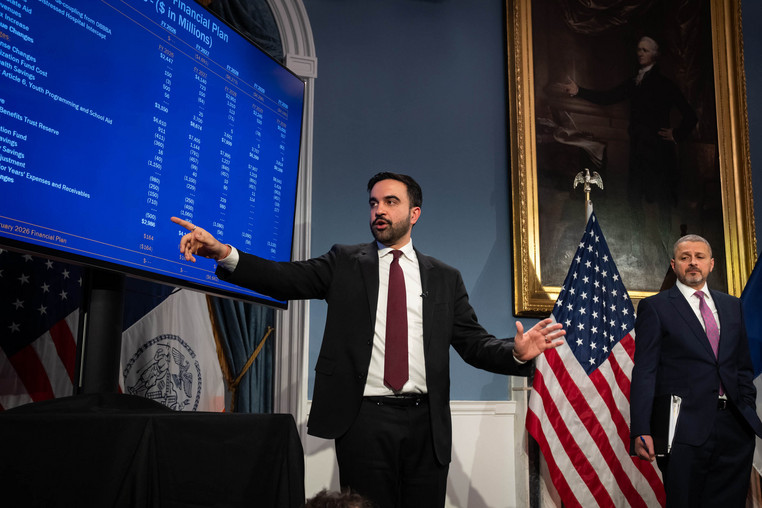

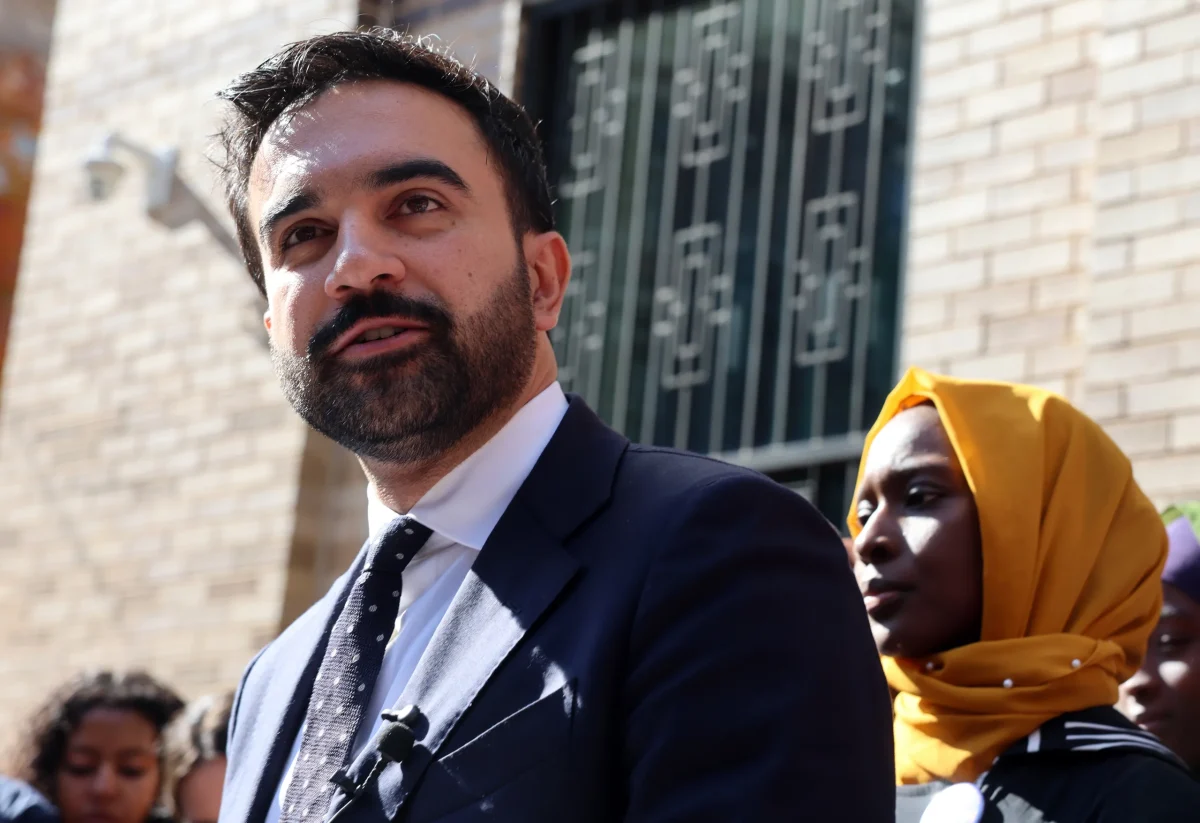




Twenty-nine days ago, Democratic Socialist Zohran Mamdani was elected mayor of New York City. His win came after a tense and extensive three-way race with Independent candidate Andrew Cuomo, who stayed competitive until the end, and Republican candidate Curtis Sliwa whose support dwindled as his campaign progressed. Democratic and Republican reactions to Mamdani’s victory have been sharply divided. Some argue that his ideology and policy positions will lead the city down a precarious path, while others believe he represents exactly what New York needs: a bold, young leader ready to push for real change. This article examines the potential advantages and drawbacks of Mamdani’s policies.
Public Safety and Policing
Mamdani proposes creating a Department of Community Safety, staffed by social workers and transit workers, to respond to mental health crises, instead of traditional NYPD officers. Supporters argue this would reduce unnecessary police involvement, allow officers to focus on armed threats, and lower barriers for people seeking mental-health assistance. It also creates lower barriers for people in crisis to get help, as they don’t need a police response. However, some potential issues remain. Many mental health crises can become dangerous quickly; 60% of calls are ineligible for unarmed response as they involve scenarios that are potentially too dangerous. Critics argue that without police presence, unarmed teams might be at risk, unable to control escalation. Additionally, this program puts civilians into volatile, unpredictable situations without trained officers as backup, potentially leading to dangerous interactions. The projected $455 million price tag also raises questions about funding, especially since Mamdani plans additional tax increases for other initiatives.
Housing, Rent, and Affordability
Housing and affordability were perhaps the two most defining issues of Mamdani’s campaign. Mamdani proposes a four-year rent freeze for the city’s one million rent-stabilized apartments along with plans to build 200,000 permanently affordable homes over the next decade. Supporters assert that the plan will raise safety and labor standards, ensure rent stability, prevent displacement, and stabilize communities. Yet the challenges to Mamdani’s plan are substantial. The rent freeze alone requires $70 billion over the next ten years, on top of the already $25 billion for the city’s capital plan. Furthermore, the mayor does not control rent levels directly — the Rent Guidelines Board does and its staggered membership makes rapid policy shifts unlikely.
Public Transit: Free Buses
This is one of the most controversial policies within Mamdani’s campaign, a project that not only requires $700 million per year but also calls for changes to the bus infrastructure, such as more bus-only lanes. This is a policy meant to directly appeal to the civilians and their needs. Some may argue that more people using buses due to their free appeal will lead to less car use and congestion. However, that is dubious considering that many people simply skip paying for the bus already. MTA CEO Janno Lieber disagrees with Mamdani’s cost assessment, asserting that the cost of this project will be closer to $1 billion than Mamdani’s $700 million. Additionally, the MTA cannot simply implement this alone. The Metropolitan Transit Authority (not the Municipal Government) controls fares, operations, and financial structure, meaning the city would have to subsidize the MTA with hundreds of millions of dollars for something it has no control over. Albany could always block or reshape a proposal as well.
Child Care & Minimum Wage
This was another major part of Mamdani’s election campaign, as it had a substantial positive impact on working-class New Yorkers at the voting booth. Mamdani pushes for universal, free child care for kids from 6 weeks old to 5 years old. He also plans to raise the minimum wage to $30 by 2030. How does he do this, you ask? Mamdani will tax the wealthy and impose corporate tax hikes, also to raise child care workers’ pay to public school teacher levels. There are many pros to this: it reduces one of the most significant costs for families (child care), provides better compensation for workers, boosts labor force participation (mainly for parents) by making child care affordable, and generally creates stronger, more stable families with higher economic mobility. Despite all the potential positives that may come, there are a few potential drawbacks. For starters, to provide free child care and a $30 minimum wage, the cost is estimated at around $9 billion, on top of the other funds he needs to orchestrate his plans. Additionally, state approval is required, and logistically, many challenges exist: child care capacity must be built, staffing needs must be addressed, and additional facilities are necessary, all of which are difficult to create. Not to mention that the tax hikes may very well drive the rich out of the city all together which would tank the yearly revenue of the city.
Migrant Crisis Response & Right-to-Shelter
Mamdani has pledged to boost funding for immigration legal services by more than $100 million, supporting programs like the Rapid Response Legal Collaborative and the Immigrant Family Unity Program, while also upholding New York’s Right-to-Shelter protections and resisting aggressive ICE enforcement. The potential benefits of this are significant. Expanded legal services increase immigrants’ access to representation and improve their chances of successfully obtaining asylum or work authorization, which reduces the number of deportations and family separations. Also, strengthening sanctuary protections helps maintain family unity (migrant families) and allows migrants to integrate more safely into schools and communities. However, as is customary with a Mamdani policy proposal, there are significant challenges. The high financial cost of expanding legal services and maintaining additional shelter capacity could strain the city budget and require new revenue sources. Political pushback is also likely, both locally and from federal authorities, as the city’s refusal to cooperate with ICE enforcement could spark legal disputes or funding threats. NYC’s shelter system is already operating near capacity, so expanding access could lead to overcrowding and greater pressure on staff and resources.
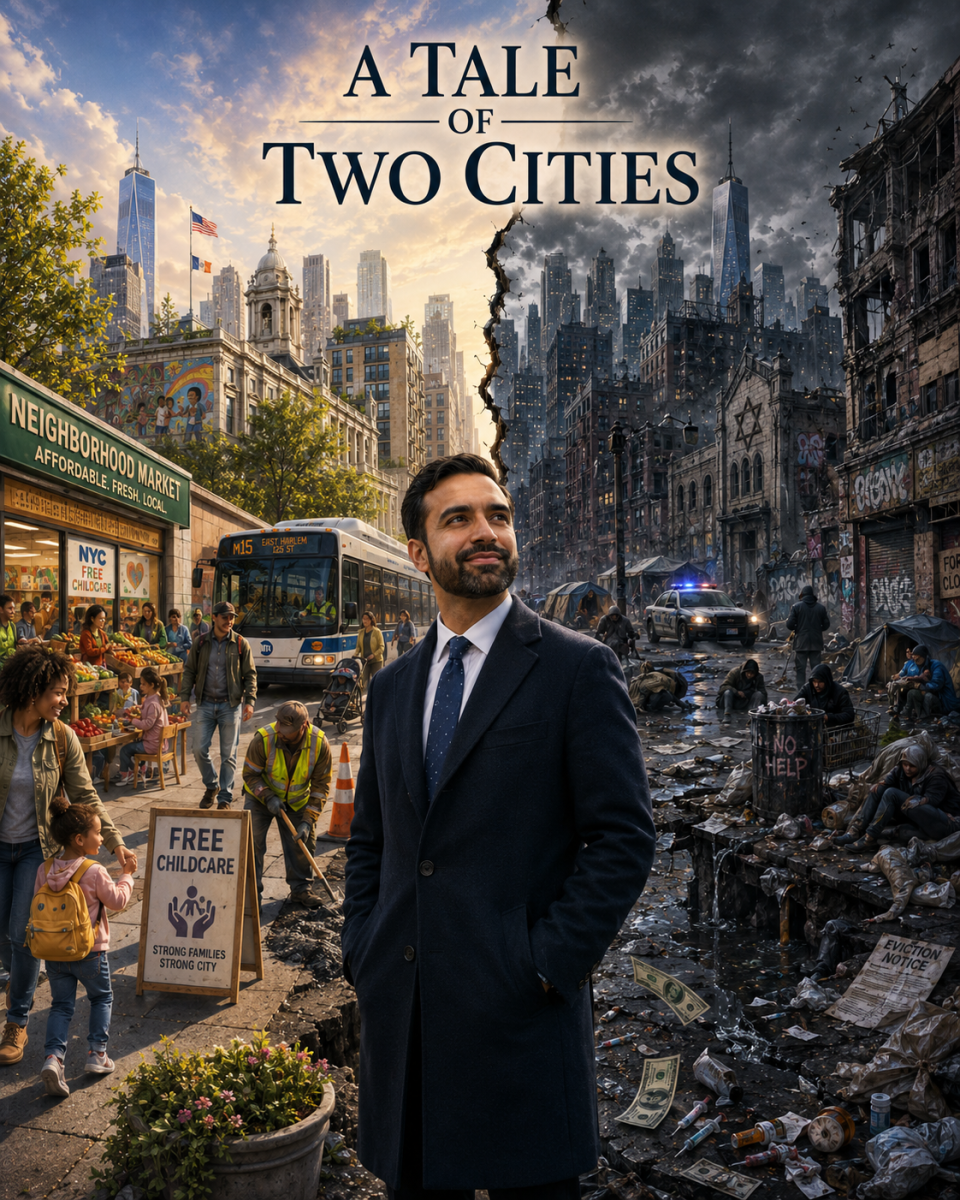
Zohran Mamdani’s proposals represent a significant shift in New York City. Addressing critical issues such as public safety, affordable housing, free transit, higher wages, and support for immigrants are what he plans to change, but can he really do it? Each policy proposal yields evident benefits to families, workers, and vulnerable communities, while also creating unmanageable costs, logistical, and legitimate political considerations. Success will rely on Mamdani’s ability to meld progressive objectives with practical considerations, navigate constraints within a fixed city budget, and respond to unforeseen emergencies. New Yorkers have chosen their plan for a new, young, bold change, and we will see if Mamdani’s policies can create a better New York City or if they will turn New York City into a symbol of urban decay like the 1980s.
Questions or follow-up ideas? Email: ([email protected]) Happy to talk!