


Introduction
On November 4, 2025, Zohran Kwame Mamdani was elected the 112th mayor of New York City, securing 50.8% of the vote. His rapid political climb put a national spotlight on his socialist policies, however, there were still questions about how he would actually govern if elected. When Mamdani was sworn in as Mayor of New York City, on Jan 1, 2026, he sought to answer those questions.
Now, Mamdani has been mayor for 152 days, and he has already worked on a handful of consequential issues. It has long been an unspoken rule not to evaluate the performance of a mayor until he has had at least 100 days to get settled in. Now that the grace period has passed, it is time to take a deep dive into Mamdani’s performance as mayor so far.
This article will present one supportive analysis and one opposing analysis of Mamdani’s performance, in order to highlight the differing perspectives among New Yorkers.
Democratic Socialism in Practice
By William Keyworth
Those who have even an inkling of knowledge about the New York City and State government understand that, if elected as Mayor, Zohran Mamdani and his bold host of campaign promises would be forced to run through the bureaucratic gauntlet, in order to become a reality. Between a January Nor’easter and a February “bomb cyclone,” Zohran Mamdani’s first 152 days as mayor have been testing. But, even while facing a budget imbalance totaling billions, a rampant affordability and cost-of-living crisis, and an ideologically opposed Albany and Washington, Mamdani’s Cheshire cat smile has not wavered in the slightest.
He has realized what he already knew, that governing as a democratic-socialist is not as easy in practice, as in theory. While supported by millions of working-class New Yorkers, policies like freezing the rent and raising corporate taxes are hard to sell in a city with such an impactful commercial influence. Mamdani has admitted to finding his footing in “pothole politics,” an appropriate element to an agenda that involves sweeping institutional change that takes time. While 100,000 potholes filled is an impressive tally, let’s dive into Mamdani’s progress and accomplishments as Mayor, beyond just pouring pavement.
Promising Leadership
If you have been following American politics for the last twenty-five years, then you have witnessed its slow decline into partisanship and childishness. Mamdani’s respectful, collected demeanor feels reminiscent of an extinct archetype of politician: one that invites compromise. Despite many being wary of the potential disconnect between a more moderate Governor Kathy Hochul and Mamdani, they have actually forged a symbiotic relationship that has culminated in the compromised “pied-á-terre” tax. Hochul has praised the Mayor’s communicativeness, while Mandani has been walking the complex political tightrope between the City and State.
While his campaign was certainly threatening to established Democrats like House Minority Leader Hakeem Jeffries, who gave Mamdani his reluctant endorsement within 10 days of the election, Mamdani has proven that he can, and is willing to, work with an older faction of the Democratic Party. In addition to his cooperation with a hesitant Kathy Hochul on her reelection campaign, the Mayor has been careful not to disrupt a fragile Democratic coalition in a crucial election year. A New York Times article from March detailed a “furious call,” where Mamdani reigned in fellow leftist, and current city councilman, Chi Ossé from running a destructive opposition campaign against Jeffries. Even State Democratic Chair Jay Jacobs, a notable opponent of Mamdani’s campaign, expressed approval for Mamdani’s prudence, saying that every politician is forced to be a “little bit ruthless from time to time.”
The sentiment that Mamdani’s success would tear down the walls of centrism in the Democrat party was, and still is, unrealistic. The Mayor understands the weight of his influence, and the consequences that would occur if he attempted an all-out disruption — most likely in the form of Republican victories. So, he has decided to play nice within the party, proving the news outlets and party leaders who warned against his “communism” wrong.
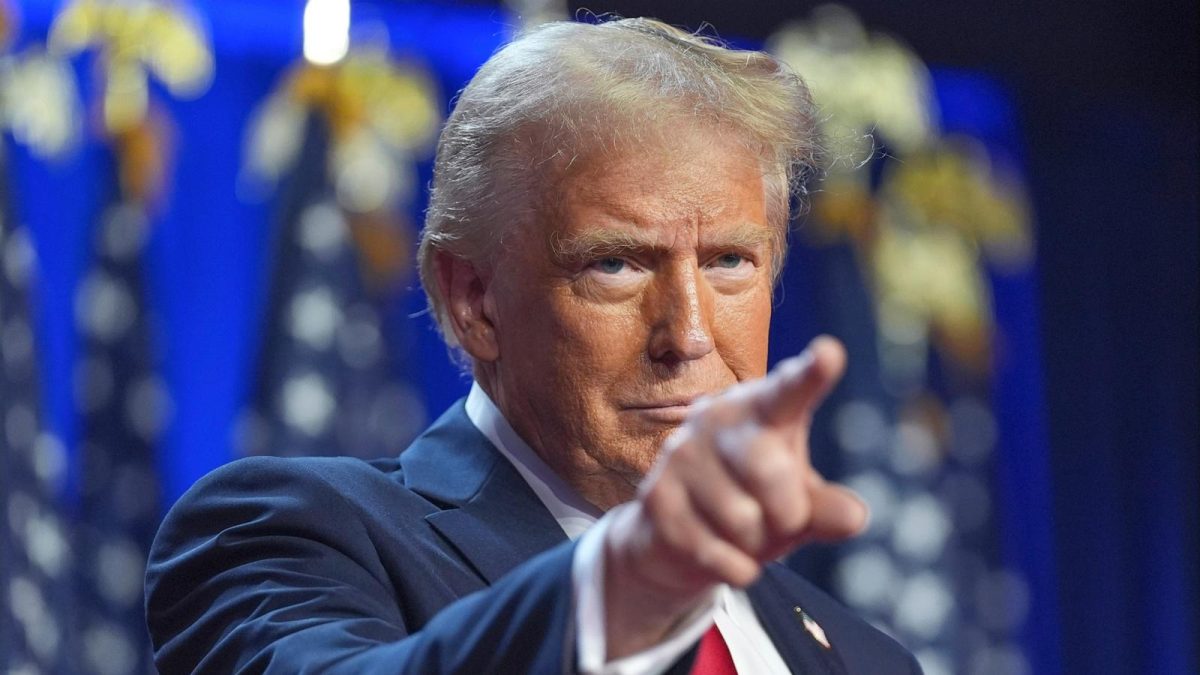
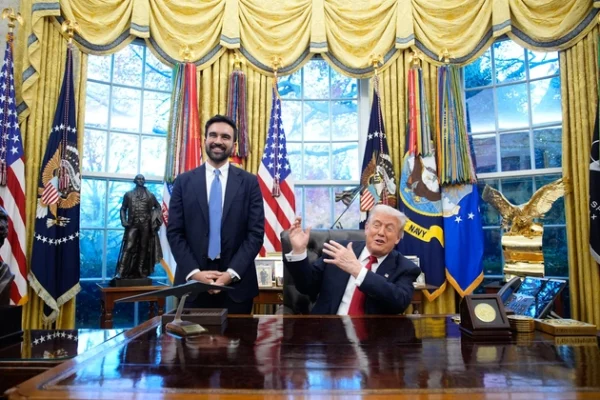
If his trip to the White House in late November was any indication, Mamdani is able to be a realpolitik; he stood behind President Trump — a man who slandered him throughout the election cycle, and from whom he stands ideologically and morally opposite — and was able to effectively spare the city’s relationship with a hostile Washington. Mamdani set a powerful precedent: the interests of New Yorkers will always come before his own personal political retribution. His consistent rhetoric to the media continues this trend, as Mamdani’s ability to dodge the media’s trap questions, while continuing to focus on positive messaging, is more important to bipartisan politics than people may realize.
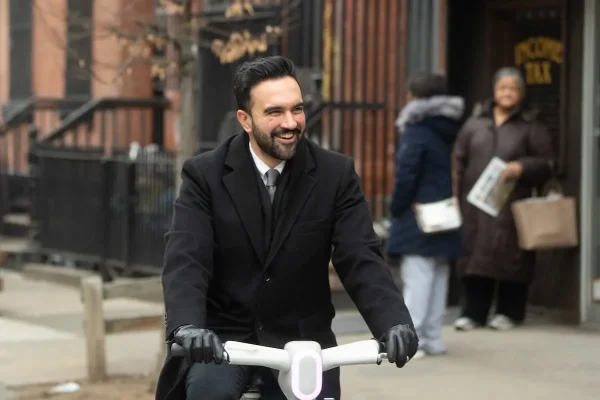
So soon into an administration, it can be hard to judge his effects on policy, especially with such an ambitious set of goals. What can be, however, measured is energy. Mayor Mamdani espouses a simple message, one that connects with the majority of New Yorkers, and one that has activated a once politically dormant demographic of young voices. Whether it is social media interviews sharing “subway hot takes,” or his impressive Citi-Bike riding statistics, he has found new and effective ways of connecting to the future generation. It is populism, but not for the purpose of pessimism like we have witnessed within MAGA rhetoric. It is a constant, unwavering, and clear message: New Yorkers deserve a more affordable city, and Mamdani is going to work towards that. This is what leadership means, and it is the reason why he is such a popular mayor.
Work Towards Affordability
Essential to understanding Mamdani’s push for a “rent freeze,” and a crackdown on unethical landlords, is acknowledging the weight of NYC’s current housing crisis. On average, an apartment in NYC is the most expensive in America, at a median price of $3,585 a month, with 50% of New Yorkers considered “rent burdened” (paying 30% or more of their income to rent). Vacancy rates have hit 1.4% ( a “housing emergency” is described as having a vacancy rate below 5%), and rates for rent-stabilized units specifically are below 1%. In 2024, only 6,800 affordable units were added, compared to an estimated 500,000 that were considered necessary to solve the problem. Over 120,000 people may be sleeping in shelters on any given night, with 50,000 of them being children. It is a somber list of statistics that I could continue, but these numbers serve to quantify the housing disaster that is unfolding in the city. It is notable that, each year he was in office, former Mayor Eric Adams’ rent guidelines board chose to worsen the burden, voting for increases on rent-stabilized tenants.
Mamdani, while his stances may appear aspirational or far-fetched to some, has put housing at the forefront of his policy agenda: a far cry from opponent Andrew Cuomo’s ChatGPT-riddled “housing plan.” Mamdani is able to focus on tangible issues New Yorkers are facing, without the distractions of identity politics, overseas conflicts, and hyperpartisan disputes.
Mamdani has not “freezed the rent” yet, but his moves on housing are compiling into an impressive list of victories for struggling tenants. He started strong by revitalizing the Office to Protect Tenants, a unit that works to uphold the rental laws, ensuring that basic regulations are met by landlords. Then, he began a string of “Rental Ripoff” hearings that have recently resulted in a 31 million dollar settlement against two infamous Bronx landlords, who failed to provide heating, hot water, or maintenance to their buildings. These are no-brainer moves that are low-cost for the city, having the potential to pressure landlords into providing humane conditions; it truly is “pothole politics” at its finest.
His biggest victory came on May 7th, when the rent guidelines board voted for increases of between only 0 and 2 percent on one-year leases, and 0 and 4 percent on two-year leases for rent-stabilized apartments. The final vote takes place on June 25th, but this measure is a promising step towards curbing the rent inflation straining New Yorkers post-pandemic. At the hearing, tenant’s rights organizations appeared in droves to support the motion, while Mamdani remained cautiously quiet to avoid scrutiny from landlord organizations, another calculated caution suggesting his governing competence. How a rent-freeze will shake out is highly debated among economists, but the overarching motif is that this city is dependent on working people to function, and they must be able to afford it.
A criticism of the Mayor’s agenda, and his competence in general, has been that his proposed city program expansions are fiscally irresponsible, especially with a massive budget deficit looming overhead. However, Mamdani and his administration have done an impressive job so far, playing within this constricting barrier while actively pursuing fixes. This is where Mamdani’s strong relationship with Albany becomes vital, as the state’s assistance is a critical component of balancing the budget. Within his own administration, the budgeting department was able to identify a budgeting discrepancy totaling close to 3 billion in rental assistance, a gap they’ve closed without canceling the service. Fiscally, Mamdani has proven to be very careful, dealing with Eric Adams’ catastrophically imbalanced budget.
Social Services and the Learning Curve
Zohran Mamdani was an untested product, elected for bold promises, incomparable communication skills, and an uncommon level of charisma, not for his experience. In a March Times article by Dana Rubinstein and Sally Goldenberg, it referred to Mamdani as “grappling with a learning curve,” highlighting his political mistakes and strategic pitfalls in his first days as mayor. It is a reality that Mamdani has been forced to walk back major campaign proposals, from making the ultra-wealthy and large corporations pay their fair share, doing away with the Strategic Response Task Force of the NYPD, and negotiating the control of public schools between teachers’ unions. His proposed 9.5% property tax increase, which angered many of his own supporters, was also a big mistake. While it was argued he used it as a political threat in order to move the second homes tax along, it was an irresponsible gesture that would have disproportionately affected several communities responsible for his election that rely on home ownership.
Understanding his role, his limitations, and what he can reasonably do to make the lives of New Yorkers better is part of the process. Even if Mayor Mamdani can’t achieve half of what he set out for, the optimism and hope he’s inspired within the working class and historically downtrodden communities has been impactful enough. The unfortunate truth is that the wealthy and big corporations no longer exist symbiotically with the average New Yorker — the affordability crisis being a key indicator of that. Mamdani’s message and efforts, while there may be road bumps along the way, are a productive push against the staggering wealth inequality this country is facing. There’s a reason that 63% of New Yorkers, up from 33% just a year earlier, believe that the city is “on the right track,” according to a poll from Marist University.
But, even as larger promises have started to fade, Mamdani’s administration has been all action in virtually every sector it can control. Securing 1.2 billion dollars in state funding for childcare and pre-K; building a much-needed infirmary for Rikers Island; and revamping initiatives to improve bus speeds that under-resourced neighborhoods rely on are some accomplishments to name a few. It’s an energy and efficiency we have not seen from the mayor’s office in a long time, and it deserves recognition.
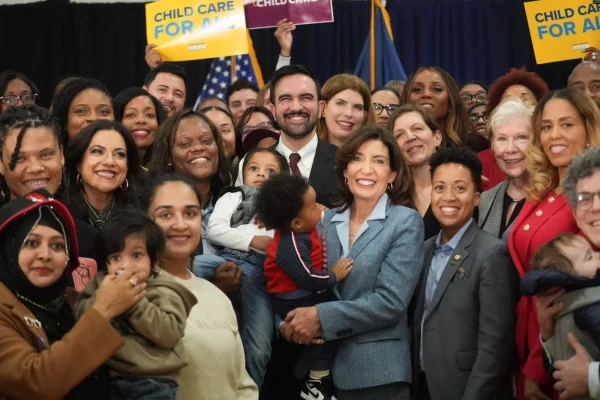
Mamdani is addressing the major problems that plague NYC, and, just like his campaign, he is championing the average New Yorker, not kissing up to corporate money. There is a unique feeling around Mamdani, and for many, it is exciting. Whether or not his vision for a more affordable New York comes to fruition, we will just have to wait and see.
Now that a positive outlook has been presented, here is a critical outlook of Mamdani’s performance so far, in order to contrast the lens of political optimism, with political realism, and the concerns of many New Yorkers.
Zohran Mamdani: The Activist in Politician’s Clothes
By Brady Metzger
Mayor Mamdani has been mayor for 152 days, and he has already set the benchmark for his governing style: aspirational, yet naive; energetic, yet unprepared; bold, yet concerning.
Mamdani represents a form of politics that energizes progressive activists, but has left many New Yorkers deeply concerned about social tension, economic stability, and the practical demands of governing. I am going to address three macro-issues that Mamdani has failed to deliver on so far in his tenure as mayor.
Political Polarization & Antisemitism
One of Mamdani’s biggest challenges since becoming mayor has been attempting to stop rising polarization and antisemitic attacks in New York City. While his supporters argue that his administration has attempted to balance free speech concerns in regards to criticism of Israel, many Jewish New Yorkers feel themselves living in a state of fear.
Concern among Jewish New Yorkers has intensified, amid a series of antisemitic attacks across the city so far in 2026. According to New York Police Department statistics, antisemitic hate crimes have increased by over 180% in early 2026. Additionally, so far in 2026, over 55% of all hate crimes reported in New York City have been targeted against Jewish people. With instances of swastikas being drawn across neighborhoods and repeated threats against religious sites, there is a heightened anxiety around antisemitism and social fragmentation within New York City’s Jewish community.
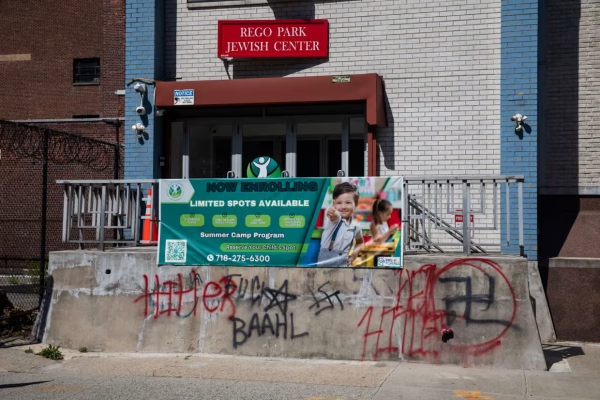
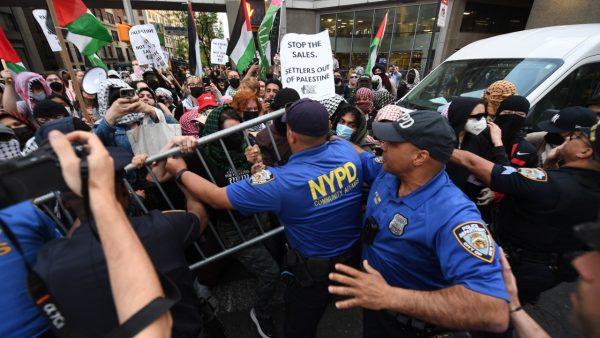
Mamdani’s responses to antisemitic incidents have been politically cautious at best and morally indefensible at worst. Criticism of Mamdani’s approach to antisemitism heightened after a rowdy and violent pro-Palestinian protest on May 5 outside of Park East Synagogue. That protest also collided with another pro-Palestinian protest at Hunter College, where the two protests teamed up and clashed against police, in which one officer was hospitalized. No arrests have been made.
The rowdy group repeatedly compared groups like the NYPD and Israeli Defense Forces (IDF) to the Ku Klux Klan (KKK), an FBI-designated domestic extremist group, as well as calling for the destruction of the State of Israel. When asked to comment on the protest, the mayor briefly expressed that “There is no tolerance for the hatred of Jewish New Yorkers;” however, he immediately began to express his sympathy for the protestors’ cause, stating that “when we have a real estate expo that is promoting the sale of land, settlements that are a violation of international law—that is something I firmly disagree with.” He then refused to answer questions about if his own rhetoric was responsible for fueling the increase in antisemitic hate.
Besides his lackluster response to rising incidents of antisemitism, his broader political style has leaned towards ideological confrontation, rather than civic cohesion. One of the clearest examples of this came in April 2026, when he staged a “tax the rich” video outside of billionaire Ken Griffin’s pied-á-terre penthouse, directly singling out one of America’s most prominent business leaders while promoting his new venture, the “pied-á-terre” tax.
Griffin said that he has had no prior conflicts with Mamdani, accusing the mayor of putting him “in harm’s way.” Griffin rightly brought up the recent assassination of the former United HealthCare CEO Brian Thompson, stating that the current political climate is no place to single out and vilify an individual. Since the assassination of Thompson, CEOs and business executives around the city have significantly beefed up security and personal detail. JP Morgan CEO Jamie Dimon has warned that Mamdani’s rhetoric is contributing to an increasingly hostile environment for investment and economic success in New York; Mamdani could exacerbate the mass exodus of business and population from New York in the post-COVID era.
These incidents reflect a growing pattern from Mamdani’s administration: it is an administration that is more focused on riling up leftist supporters than attempting to calm tensions in a polarized city. Mamdani has struggled to convince large pockets of New York — particularly Jewish New Yorkers and business leaders — that he is governing as a unifying figure, rather than a confrontational activist.
Fiscal Unrealism & Economic Anxiety
Mamdani has also faced severe backlash on his economic policy from business leaders, moderates, and fiscal analysts, who argue that his proposals emphasize ideological ambition over fiscal practicality. While Mamdani has framed his economic policy around addressing inequality, he has severely underestimated the fragility of New York’s economic climate, and the risks associated with aggressive taxation and anti-business rhetoric.
At the crux of the concern around Mamdani’s economic policy has been his repeated efforts to hit high earners, property owners, and corporations with stiff tax hikes. While supporters argue that tax increases are necessary in order to expand public services, New York’s economic model has consistently relied on a small bracket of high taxpayers and big employers, who are already facing incentives to relocate to friendlier states like Florida or Texas.
Beyond his idealized rhetoric, there are questions about the financial stability of Mamdani’s broad economic promises. Mamdani has advocated adamantly for expensive and sweeping economic reforms such as fare-free public transit initiatives, large-scale social spending proposals, and rent freezes.
While Mamdani’s economic proposals may appear promising, his administration has not outlined how they will pay for these initiatives. With the city facing a budget gap of over 7 billion dollars over the next two years, it is unclear how Mamdani will be able to increase social spending in the midst of a budget crisis. Mamdani has officially proposed to cut the NYPD’s budget by 22 million dollars next year, which would not significantly help the budget crisis, while simultaneously putting the citizens of New York City at a higher risk of crime.
To most critics, the question is not if income inequality exists in New York City, but whether or not Mamdani’s approach will thoroughly address it, without damaging the economic engine that keeps New York City afloat. New York City needs business confidence and public trust in order to sustain itself; the confrontational economic posture of Mamdani’s administration risks weakening both.
Administrative Incompetence & Governance Concerns
Beyond what he has done to exacerbate political polarization and economic anxiety, Mamdani’s early tenure has been marked by intensifying concerns surrounding public order, administrative competence, and his broader approach to governance. It sounds like a broken record, yet it cannot be understated that Mamdani approaches City Hall with the mindset of an activist — rather than an executive — favoring his own ideological messaging and political symbolism over pragmatic governance and institutional leadership.
Concerns of Mamdani’s leadership have become increasingly visible, following a series of highly publicized incidents involving the NYPD during his first couple months as mayor. During a large and chaotic snowball fight in Washington Square Park earlier this year, several police officers were injured with lacerations to the face. Mamdani called the incident, “a snowball fight that got out of hand.” Multiple arrests were subsequently made by the NYPD, against Mamdani’s best wishes. His response follows a pattern of consistently sympathizing with anti-police sentiment, instead of backing the city’s institutions that are responsible for maintaining safety and order.
The criticism of Mamdani’s attitude towards the police intensified after Erik Duran, a former NYPD officer, was sentenced to 3 to 9 years in prison for throwing a cooler at a fleeing suspect. The suspect was subsequently ruled deceased and Duran was charged, and convicted, of manslaughter. The judge who presided over the sentencing said that it would serve as a “general deterrent” for other police officers. While speaking to the New York Post, a Brooklyn detective called the sentencing “an injustice and a travesty,” while a Brooklyn Police supervisor insisted that Duran “should have gotten a medal,” instead of time in prison. Mamdani did not comment on the sentencing.
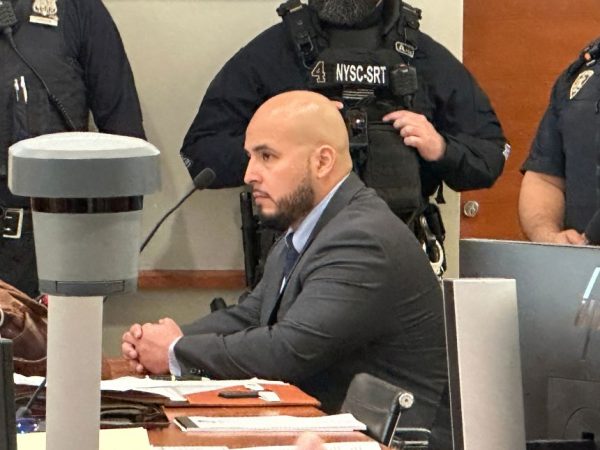
Currently, over 30 state lawmakers are calling on Gov. Kathy Hochul (D) to pardon Mr. Duran. Mamdani’s refusal to stand beside Mr. Duran and argue for his pardon represents his administration’s reluctance to support and stand up for police officers, even in legally ambiguous circumstances. The mayor has shown absolutely no willingness to recognize the dangers and split-second circumstances faced by police officers in violent environments and hostile situations. After the sentencing, Duran has appealed his case, and has since been let out of jail on a $300,000 cash bail.
Perhaps Mamdani’s most damning decision was to reverse the decision, made by Former Mayor Eric Adams and Police Commissioner Jessica Tisch, to add an additional 5000 police officers to the streets of New York City. However, if Mamdani really wants to limit the scope of the NYPD, he will not have to look far to convince people to quit.
Captain James Wilson is currently being investigated and disciplined by the NYPD over espousing political views while on duty protecting the Park East Synagogue. He slammed Mamdani on video, calling him “an embarrassment” and “not my mayor.” This represents Mamdani’s major fracture with the police leadership in New York City. The distrust of Mamdani among police officers has been widely documented, raising a serious question: if the police cannot trust Mamdani, can the public? The answer is, absolutely not.